15+ Hanging Basket Plants That Are Edible As Well As Appealing

Hanging baskets can be more than just a beautiful way to brighten up the front of your home, they can also be a useful way to expand the space you have to grow food for yourself and your family. Here we have prepred a list of best edible hanging basket plants that can look wonderful as well as providing sustenance for your table:

1- Strawberries

Strawberries are one of the most popular edible plants for hanging pots or baskets. There are plenty of hanging or trailing strawberries to choose from – small, alpine strawberries are particularly popular.

Alpine Strawberries
Alpine Strawberries

2- Cherry Tomatoes

Any tumbling tomatoes are ideal hanging basket plants. Tomatoes of the right varieties will trail over the edge of your hanging container and provide a bountiful harvest. You can place three or four such plants around the edge of your hanging basket. At the center of the basket, you could consider sowing some basil – a great companion for tomatoes in the garden and on the plate. You may also like to check out  hanging herb garden ideas.

Cherry Tomatoes
Cherry Tomatoes edible plant

3- Chilli Peppers

At number 3rd we have a Fiery chilli peppers that also come in many different varieties, some of which are among the best plants for hanging baskets. Again, the changing fruits will provide much visual interest and can rival the most attractive floral displays.

Chilli Peppers
Fiery chilli Peppers an edible hanging basket plant to grow

4- Peas

Peas look very pretty trailing over the edges of a hanging basket. You can choose green or purple podded varieties, or a mix of the two. Peas are nitrogen fixers and will help keep a mixed arrangement including flowers for hanging baskets happy and healthy.

growing Peas in hanging basket

5- Beans

Vining beans can also look good in a hanging basket, along with a range of flowers and herbs. Runner beans also have stunning scarlet flowers which can provide a visual appeal as well as food for your kitchen. Choose a deep basket or pot and feed and water well to ensure that the plants have enough nutrition to crop well.

beans in hanging basket

6- Cucumber

Cucumbers are another of the great edible plants for hanging pots. Take good care of your cucumber and it will crop prolifically – just make sure that your hanging pot is strong enough to take the weight of the cucumbers that will form on the vine.

Cucumber in hanging basket

7- Sweet Potatoes

Sweet potatoes make one of the best plants for hanging baskets. They are edible as well as appealing, plus the plant is easy to care for.

Place a sprouted sweet potato in a cup of water in late winter and allow the sprouts to grow for one month. When sprouts are six inches long, use a sharp knife to cut off each individual sprout. Plant each sprout in separate hanging baskets. The plant will develop into a long vine that will cascade down over the basket about four feet. Keep soil moist at all times.

Sweet potatoes are ready to harvest when vine turns yellow in late summer.

Sweet Potatoes In Hanging Basket

8- Cucamelons

Here we have a very unique edible plants called cucamelon that looks like a tiny watermelon and is ideal for growing as a hanging plant outdoors. The vine will cascade over the basket about six feet and develop watermelon-looking vegetables along the vine length.

In early spring, place two cucamelon seeds in the center of a hanging basket filled with potting soil. Water thoroughly and place basket in a sunny location. Keep soil moist and use a water soluble plant food every other week to keep plant fed. Cucamelons will be ready to harvest in July and August. You may also like to check out indoor hanging plants.

Cucamelons In Hanging Basket

9-  Courgette

A large hanging basket will look wonderful when populated with a courgette (zuccini) plant. Not only will you get the large, yellow flowers but can also enjoy the abundant harvest when the time comes. Again, make sure that the container you have chosen is strong enough to take the weight as the plant grows. You may also like to check out diy hanging planters.

Courgette in hanging basket

10- Lavender

Fragrant lavender makes a lovely hanging basket plant with its spikes of purple flowers that attract pollinators. Select a hanging basket that is at least 12 inches in diameter, place liner and potting soil in basket, then place seed on plant in the center. Lightly cover seed or plant roots and water.

Place hanging basket in direct sun. Lavender will bloom in summer, keep spent blooms pruned off plant. Water when soil is dry to touch.

Lavender In Hanging Basket

11-  Mixed Salad Leaves

For a more delicate display, mixed, cut and come again salad leaves in a range of shapes, sizes and colors will look beautiful and is a great alternative to some of the more traditional hanging basket plants. Combine salad leaves with edible flowers such as pansies and violets for more colorful salads throughout the year.

Mixed Salad Leaves
Mixed Salad Leaves an edible hanging plants

12-  Radishes

Another edible crop that is among the best plants for hanging pots is the radish. Radishes can add bite, crunch and color to your salads. Harvest some of the radishes from your basket when they are small but leave others to go to seed. The large, trailing plants will flower and then provide a bounty of seed pods that, when fresh and green, make a delicious addition to the diet, providing a pea-like freshness with a slight radish bite.

Radishes in hanging basket

13-  Nasturtiums

One of the most attractive and useful flowers for hanging baskets is the nasturtium, which will form large, trailing plants with an abundance of flowers. Not only will nasturtiums look great, they will also add to your salads – the leaves and the flowers are edible. Then, when the plants go to seed, the seeds can be used as an alternative to capers.

growing nasturtiums in hanging basket

14- Thyme

Thyme is just one of the many herbs which are well suited to growing in hanging baskets. All of the Mediterranean herbs will do well in the well-drained environment of a hanging basket. Try rosemary, marjoram, oregano, basil and more. Herbs can be added easily to mixed arrangements can can help add flavor to your food throughout the summer months.

growing thyme in basket

15- Parsley

Parsley is slow to germinate and can take up to three weeks after planting seeds to show signs of life. Its bright green, feathery leaves are worth the wait and this herb will reward you with tasty flavor all summer.

In early spring, plant seeds six inches apart in a hanging basket. Mix one tablespoon of granulated fertilize into potting soil prior to planting seeds. Place basket in a sunny location and keep soil moist at all times.

Snip off leaves as desired to use as a food garnish, or chew to freshen breath.

Growing Parselay In Hanging Basket

16- Basil

Basil makes an ideal hanging basket plant. This herb will grow quickly to fill in the hanging container to create a lovely, colorful and tasty plant.

Select a hanging basket, liner for the basket, like coir or moss, potting soil and basil seeds.

Place the liner in the basket, then add potting soil to within one inch of the top rim of the basket.

If the potting soil does not contain fertilizer, mix in one tablespoon of granulated fertilizer per basket prior to planting seeds.

Place two seeds in the center of the basket and lightly cover seeds with 1/4 inch of potting soil. After seeds germinate, remove the smallest plant so the one remaining will have plenty of room to grow. Basil will reach a mature size of 12-18 inches, but can be kept pruned to any desired height.

Basil seeds can be planted in spring. Place hanging basket in a sunny location. Leaves can be harvested any time the plant has reached six inches tall. Allow soil to become dry to the touch between watering.

Basil In Hanging Basket

17- Mint

Mint is one of the best hanging basket plants because of its fragrance. There are many varieties of mint, all are fragrant and good for container growing.

Select a hanging basket, liner for the basket, like coir or moss, potting soil and mint seeds.

Place liner, then add potting soil in basket. If the potting soil does not contain fertilizer, mix in one tablespoon of granulated fertilizer per basket prior to planting seeds.

Plant two seeds per planter, and place in a bright location, but not in direct sunlight. Keep potting soil moist at all times. Snip off leaves after herb reaches four inches tall.

Mint In Hanging Basket

18- Bell Peppers

Bell peppers, or sweet peppers, come in all shapes and forms. There are varieties available that are well suited to small space growing and are great hanging basket plants. Some will dangle over the edge of a basket while others will create a bush of peppers in an attractive form, providing interest from flowering through to harvest as the fruits change color.

Bell Peppers
Bell Peppers, an edible hanging plant

19- Eggplants

Growing vegetables in pots is as easy as growing them in-ground, and eggplants make an attractive hanging basket plant. Choose a dwarf variety of eggplant for best growing results in a hanging basket.

Fill basket to one inch below rim with potting soil, then mix in one tablespoon of granulated fertilize. Place two eggplant seeds, six inches apart, on top of soil. Gently push seeds down into soil 1/4  of an inch. Water thoroughly and place hanging basket in a sunny location.

There are many different shapes and colors of eggplant – some look like long peppers, some look like eggs and some are white. These varieties make great hanging basket plants even if you don’t like to eat eggplant.

Keep soil moist at all times. Harvest when eggplants turns glossy, about two months after seeds germinate.

Growing Eggplants In Hanging Basket

Conclusion

So these are the hanging basket plants we have shared with you. Now you can choose any or more of them that you like the most.

Top 10 Varieties Of Tomato For Short And Long Growing Seasons

Whether you have a short or a long growing season, the range of organic, heirloom tomato varieties means that you will be spoiled for choice when it comes to choosing which seeds to plant in your garden, greenhouse or polytunnel. This list outlines some of the best varieties of tomato seeds that will give you some of the best tomato plants possible come harvest time. It is of course an incomplete list but will certainly give you some ideas when it comes to choosing which type of tomato plant to grow. All the plants on this list are heirloom tomatoes, as these will allow you to collect seed from the plants and grow again next year and eventually, to breed plants ideally suited to your climate and local soil conditions.

Ideal tomato Varieties to choose for your garden. 

1- Brandywine

Easily recognizable from its unusual foliage which resembles potato leaves, this heirloom variety is one of the best known and most highly regarded around. It is suitable for growing outside or in a greenhouse or polytunnel and is generally considered to be one of the best tasting ‘beefsteak’ tomatoes. It dates from 1885 and has a long history as an organic garden favorite. Brandwine tomato plants will grow to a height of around 2m with a spread of around 50cm and are best grown as cordons. They will flower and then fruit between July and September. Fruits are slower to mature than other varieties, taking 80-100 days to grow to full size, but these fruits can reach a weight of 0.7kg.

Brandywine tomato plants

2- Galina

An heirloom alternative, perhaps, to the popular hybrid variety, Sungold, this super-sweet and super early, yellow tomato variety comes from Siberia and could be a good choice for those who want all kinds of tomatoes in a variety of different colors. With these tomatoes you can make a great yellow tomato soup or yellow tomato ketchup – for something a bit out of the ordinary. Galina produces an abundance of fruits of around 3cm in diameter in bunches on tall plants. These potato leaf foliage plants grow to around 1.2m in height and the fruits do not fall off when ripe which makes harvesting easier. Galina can be harvested early and will continue to fruit for longer than other varieties, perhaps bearing even until November.

Galina tomatoes

3- Cherokee Purple

One of the best tomato plants for dark-colored fruit, this heirloom variety dates to the 19th Century and is prized by many, who say this is what large tomatoes should taste like. The flavor is sweet and the dusky purple color is attractive. These mature in around 80 days, perfect for those growing tomatoes under cover. Cherokee Purple tomato plants are slow to start but can be good producers once they get going, producing plenty of dark fruits on vines that can reach around 1.2-1.8m in height. Fruits are beefsteak in style and can reach a weight of around 0.2-0.3kg. They can have a long harvesting period and some gardeners report getting the last fruits under cover as late as early November.

Cherokee Purple

4- Stupice

Stupice (pronounced stu-pitza) is one of the earliest of the vine tomato varieties and can cope with even the greyest and wettest of summers, which makes it a sturdy choice for outside growing. These red tomatoes are around two inches across and are perfect for use in a variety of salads. Vines will grow well, even in containers on a patio and will reach a height of around 1.2m and can reach maturity in as few as 50 days, meaning that they are perfect for a short gardening season.

Stupice tomatoes

5- Orange Banana

An extremely productive plum tomato, the large orange-color fruits on this variety are something a little bit different. They look and taste great both cooked and in salads and also make great sauces. Best of all, these little beauties are said to be extremely high yielding. These paste type tomatoes reach a size of around 7cm in length and mature late in the growing season. The fruits grow abundantly on tall, vining plants that are best grown cordon style. The plants can grow vigorously to well over 2m in height in optimum conditions.

Orange Banana

6- Peacevine Cherry

This pretty little cherry tomato takes its name from the fact that it has high levels of an amino acid said to have a calming effect on the physiology. Bundles of cherry tomatoes are formed on trusses and are great to use in a number of different ways in the kitchen or straight from the vine. Peacevine cherry tomatoes grow to maturity in 69-80 days. The small, red fruits reach a size of around 2cm in diameter. The indeterminate vines will grow to a final height of around 1m in height, though these will need plenty of support, especially as fruits begin to form.

Peacevine Cherry

7- Chadwick Cherry

A bright red cherry tomato, this is said to have a fantastic flavor. It was bred by eccentric horticulturist Alan Chadwick, who, in his fifties, decided to give up his career as a Shakespearean actor in South Africa and created and took on the University of Santa Cruz’s farm and garden project in California. As well as inspiring many, he created this delicious tomato. Chadwick cherry tomatoes will grow to maturity in around 80 days. The fruits are slightly larger than true cherry tomatoes – approximately 0.2-0.3kg in weight and are produced in abundance. Fruits lose their flavor slightly as the season wanes but are tasty eaten straight from the vine in late summer.

Chadwick Cherry

8- Gardener’s Delight (Cherry)

This cherry is often described as one of the sweetest and tastiest cherry tomato varieties around. It is a popular heritage variety and one of the most highly regarded of the cherry types of tomato. Best grown as a cordon variety, Gardener’s Delight plants reach a height of around 2m. The small cherry tomatoes are produced on trusses and reach around 2cm across. Under cover, these will produce an earlier crop but they can also be grown outside. They tend to fruit between July and October.

Gardener's Delight

9- Latah (Bush Variety)

This is one of the best tomato plant varieties for the earliest possible crop. It tolerates short or cool summers well and though the bushes can be sprawling and untidy looking, the quick-ripening fruits do have fantastic flavor. The red fruits, which are around 2-3cm in diameter, can be ready to harvest as early as June and will continue to produce abundantly over a long period, even in colder climates. These are sprawling bush plants that are extremely difficult to support in any way but if you simply leave them to it they will produce tasty fruits on their somewhat ungainly plants.

 Latah tomatoes

10- Legend (Bush Variety)

One of the best things about this bush variety is that it not only matures medium early but is also fairly resistant to blight – holding it off for longer than many other heirloom tomato varieties. The round fruit grow to around 2 inches across outdoors, though they can be up to double the size if plants are cosseted under cover. Fruits will usually be ready for harvest indoors from late June/ early July under cover, a week or two later outdoors. Plants will grow to a height of around 1.2m.

Legend tomatoes


12 DIY Tomato Cages to Help your Plants Grow Vertically

Garden tomato plants need a little support in order for them to grow and produce their best. Making diy tomato cage is an easy job and can often use materials that you already have on-hand. Tomato plants that are grown vertically with a support system will produce a bigger, better crop than plants that are left unsupported. Before spending a lot of money on pre-made tomato cages, learn how to stake tomatoes with these DIY tomatoes trellis and cages ideas.

DIY Tomato Cages and Trellis To Support Plant Growth

  1. DIY Wire Cages

Easy to create and lightweight, use this idea to fashion DIY wire cages like this one by modernfarmer to support tomato plants from concrete reinforcing steel mesh. Strong enough to support even the largest tomato plants and produce.

Here are brief steps to build this diy tomato cage.

  • Get the following tools and material:
    -One 150′ roll of 5′ concrete reinforcing steel mesh
    – 2 cinderblocks
    – 2 milk crates
    -Bolt cutter
    -Jute twine
    -2′ wood or rebar stakes (optional)
  • Wear gloves and lay down roll of wire mesh on a flat surface.
  • Secure the ends with cinder blocks and cut the wire mesh at a length of 8′ long.
  • Remove the first block and move it towards the cut edge. Then fasten in place by folding and crimping the cut edge’ to make a tube of 18″.
  • Place the four cages in the planted area and tie them together with 3″ lengths of jute twine.
DIY wire cages
Image via: modernfarmer
  1. DIY Tomato Cage Made From Livestock Panels

Not only can these heavy duty wire panels keep livestock within a specific perimeter, they can easily be used to strong, long-lasting diy tomato cages like this one by growingagreenerworld. Build once, use as a plant trellis system for years.

DIY Tomato Cage Made From Livestock Panels
Image via: growingagreenerworld
  1. Turn Old Wire Fencing Into DIY Tomato Cage

Here is a great way to recycle old wire fencing, turn the fencing into DIY tomato cages like this one by diynetwork. New fencing can also be used to create a garden trellis system for tomatoes, cucumbers and other plants that need supported during the growing season.

Following are simple steps to build this sturdy homemade wire cage.

  • Measure off and cut a 78″ length of fencing to end up with a 60″x78″ piece.
  • Make a circle from wire by joining the cut ends.
  • Take a narrow piece of pipe and use it to loop each wire over and through the wire squares on the other side.
  • Take a stake or pvc pipe weave it through the cage and hammer it into the ground.
  • Plant tomato plants in the ground of cage.

    DIY tomato cages
    Image via: diynetwork
  1. DIY Tomato Trellis

Function and beauty meet in this tomato trellis design by learningandyearning. This support system provides support on both sides and creates a walkway in the center for easy vegetable harvest.

DIY Tomato Trellis
Image via: learningandyearning
  1. Bamboo and Wire DIY Tomato Cage

Sometimes the garden plants grow faster than we anticipate and a support system for tall tomato plants like this one by gardentherapy is needed. This wooden tripod idea will provide tomato plant support for fast growing plants and can be installed without damaging the already tall plants.

Bamboo and Wire DIY Tomato Cage
Image via: gardentherapy
  1. Cheap DIY Tomato Trellis Idea

Save money and time with this cheap garden trellis idea at hometalk. Inexpensive pieces of lumber and strips of fabric will create an affordable garden plant support system without using up much of your valuable time. Follow these instructions and build DIY tomato cages for under $2 a piece.

Cheap DIY Tomato Trellis Idea
Image via: hometalk
  1. DIY Tomato Cage With PVC Pipes

Create this strong and reusable homemade trellis by instructables from PVC pipes quickly and inexpensively. PVC pipe and  connecting joints and long lasting and can be fashioned into almost any size or shape.

Here are short steps to make this tomato trellis.

  • Measure the pvc pipe using tape. Use duct tape and wrap it around the the point to be cutted.
  • Cut four corner and center pieces at a length of 30″ and pounded each 10 inch into the ground.
  • Insert T shaped connector bracket on top of each corner piece and X shaped connector bracket on top of each center piece.
  • Hooking the T-brackets Together.
  • Using 2-T shaped connector brackets connect short piece of 3-18″ length with long piece of 4-21″ length using 3-T shaped connector bracket.
  • Connect long interior pieces to T-brackets on the short end of the garden.
  • Take three short center grid pieces each 57″ long and pass it from one long side to another.
  • On the top of each corner pieces connect another T-shaped bracket.
  • Topped up each 4 pieces of center support of 20″ long with X-shapped connector.
homemade trellis from PVC pipes
Image via: instructables
  1. Bamboo Stakes

Strong, inexpensive and flexible bamboo stakes make a perfect support system like this one by theelliotthomestead for growing tomato plants. Use 1-4 bamboo stakes per plant, and loosely tie twine or strips of fabric around the bamboo stakes to keep the plants upright.

Bamboo Stakes
Image via: theelliotthomestead
  1. Wooden DIY Tomato Cage

Here is a great idea that will allow you to build a DIY support system like this one by myoutdoorplans while using up pieces of scrap lumber you may have lying around. Strips of 1 inch x 1 inch lumber work best for building these sturdy wooden cages, but other sizes can be used too.

Wooden Cage
DIY tomato cage image via : myoutdoorplans.com
  1. Obelisk DIY Tomato Trellis

Decorative and functional, this 4-sided pillar trellis by mommadanddaboyz will provide stable support to tomato plants throughout the growing season. Paint the wood in bright colors so the obelisk trellises will also be a unique design element in your garden. Top it off with a small gazing ball for added interest.

Obelisk DIY Tomato Trellis
Image via: mommadanddaboyz
  1. Wood Towers Tomato Cages

These sturdy wood towers by getbusygardening will support even the tallest growing tomato plant variety. Paint the wood to protect it from the elements and to make the towers an attractive garden element year around.

Wood Towers
Image via: getbusygardening
  1. 3 Step DIY Garden Trellis

Train your tomato plants to grow vertically on this DIY garden trellis by myhomeideas. Easy to build and strong enough to support several tomato plants. Easy to follow instruction will enable you to build this garden trellis in just one afternoon. Apply a coat of paint and leave the trellis in place year around for visual interest.

Garden Trellis
Image via: myhomeideas

15 Lovely DIY Treehouses-Make Your Kids Dream Come True

A DIY treehouse is a simple way to provide your children with a perfect play area that will fuel their imagination and provide a little separation between you and them. Building a backyard treehouse with your kids will also provide priceless family bonding time and create memories that will last a lifetime. Both boys and girls enjoy hanging out in the trees and these 15 lovely DIY tree house ideas will provide you with plenty of inspiration and instructions to construction either a boys tree fort, a DIY playhouse for girls or a children’s tree house that everyone can enjoy.

  1. World Class DIY Treehouse

A lovely wooden treehouse like this one by popularmechanics that looks good and is built to last. Attractive and inviting for both girls and boys, this treehouse will also add value to your property.

World Class Treehouse
Image via: popularmechanics
  1. Hanging Treehouse

Here’s a work of art that will entice young and old alike to enter. This unique hanging treehouse by diynetwork makes a perfect addition to a backyard kid’s play area and the simple design makes it an easy DIY project.

World Class Treehouse
Image via: diynetwork
  1. Mini Home in a Tree

This DIY tree house plan will enable you to construct a mini home in a tree like this one by huffingtonpost that looks good enough to live in full time. Natural sunlight streams in through the windows and the porch is a great place for sitting in the shade.

Mini Home in a Tree
Image via: huffingtonpost
  1. Camouflaged Tree Fort

Simple design and sturdy construction will keep this diy treehouse by instructables in place for years to come. Easy DIY build with camouflage fabric for sides.

Camouflaged Tree Fort
Image via: huffingtonpost
  1. Treehouse With Slide And Swing

More than a treehouse, this idea makes it part of a large play area for kids. The diy treehouse like this one by buildeazy is roofless and has a secure set of stairs leading up to the structure. A perfect setup for young children. You may like to see:diy swing sets

Treehouse With Slide And Swing
Image via: buildeazy
  1. Year Around Fun

Built on stilts and with a plexiglass wall, this DIY playhouse by dornob does not depend upon a tree for support. The see through wall makes it fun for observing the backyard in all types of weather conditions. You may like to see: diy lemonade stands.

DIY playhouse
Image via: dornob
  1. Wooden Treehouse Plans

Solid, safe and attractive, this wooden treehouse by theclassicarchives will provide years of enjoyment for your kids. This how-to guide will easily walk you through the process of how to build a treehouse with ease.

Wooden Treehouse Plans
Image via: theclassicarchives
  1. Tree Deck

Built without a roof, this tree deck by instructables provides open sky above for observing the stars at night. Enter the tree deck by climbing up the rope ladder, then relax in the shade of the surrounding trees.

Tree Deck
Image via: instructables
  1. Hideaway

Climb the steps and pull the curtain for a private hideaway in the trees like this one by thehandmadehome. If you need to make a quick exit, slide down the slide and make your getaway from this lovely hideaway. The adults in the family may use this diy treehouse as often as the children do.

private hideaway in the trees
Image via: thehandmadehome
  1. Simple DIY Treehouse

When a simple platform attached to a tree is all that’s needed to provide your kids with hours of fun, then these DIY build plans by apartmenttherapy are for you. Simple, inexpensive and easy to build.

DIY build plans
Image via: apartmenttherapy
  1. Pirate Treefort Plans

These plans will please the pirate in your family. Steps, porch, windows and door are accentuated with details that give this fort in a tree by instructables the look of a pirate ship sailing the sea.

Pirate Treefort Plans
Image via: instructables
  1. A Frame Treehouse

These plans will enable you to build an A frame tree house like this one by outdoorlife with shutting side windows and an observation deck. Classic design and easy DIY build.

A Frame Treehouse
Image via: outdoorlife
  1. Tarp Roof

This simple design is kid-friendly and easy to build by instructables. A floor and sides are topped off with a camo tarp for a roof. Makes the building process quicker and less expensive, plus kids will like the notion of being hidden from view under the camo tarp roof.

kid-friendly and easy to build
Image via: instructables
  1. Lifetime DIY Treehouse

These detailed video instructions will show you how to build a treehouse like this one by ronhazelton that your kids and grandkids will be able to enjoy. Longlasting beauty and construction for multiple years of fun.

Lifetime Treehouse
Image via: ronhazelton
  1. Tree Picking

Picking the right tree and placing a strong support system on the trees is key for safe and sturdy treehouse constructions like this one by yourhometriad. Theses plans will show you how to pick and prepare the trees first, then build a lovely treehouse that will last for years to come. You may like to see: diy climbing walls for your kids.

safe and sturdy treehouse constructions
Image via: yourhometriad

16 DIY Playhouses Your Kids Will Love to Play In

A DIY playhouse is a simple and inexpensive way to provide your children with a safe environment in which to play. A backyard playhouse will provide your children with years of fun and will increase the value of your property should you decide to sell your home. Creating a DIY indoor playhouse will provide kids with fun regardless of the weather outdoors. Look through this variety of playhouse plans and pictures to find one that is right for your family.

  1. Two Story Outdoor Playhouse

Two story playhouse like this one by diynetwork provides children with multi-levels of fun and entertainment. The triangular shape is also more fun than a traditional square box shape.

Two Story Outdoor Playhouse
Image via: diynetwork
  1. Star Wars Playhouse

Elaborate and spectacular and perfect for the Star Wars lover in your family. Step by step playhouse plan like this one by instructables will enable you to build this masterpiece children’s playhouse.

Star Wars Playhouse
Image via: instructables
  1. Playhouse with Slide

If you have the space in your backyard, consider this large DIY playset plans. Build a playhouse for your kids like this one by builtbykids that has a slide, steps, swings, a bridge, fort and plenty of room to hide and play. You may also like to see how to build a treehouse for your kids.

Playhouse with Slide
Image via: builtbykids
  1. Indoor Playhouse

Transform a bed into a kids playhouse like this one by ikeahackers that will provide hours of indoor fun. Perfect size for a bedroom and will make both playtime and bedtime fun.

Indoor Playhouse
Image via: ikeahackers
  1. Luxury Hideaway

This garden playhouse by thehandmadehome is actually a luxury hideaway for kids and adults. Complete with furniture, a slide, hanging baskets of flowers and curtains for privacy, use these detailed instructions for creating this backyard oasis.

garden playhouse
Image via: thehandmadehome
  1. Adorable and Easy

What little girl wouldn’t love this adorable playhouse ana-white? Easy to build, pretty to look at and fun to play in.

adorable playhouse
Image via: ana-white
  1. Wild West Cubby House Plans

Here’s a great playhouse for the cowboy (or cowgirl) in your family. The plans will enable you to build a wild west DIY cubby house by project.theownerbuildernetwork that looks like a home from the 1,800‘s old west. You may also like to see cubby house plans.

Wild West Cubby House Plans
Image via: project.theownerbuildernetwork
  1. Pallet Playhouse

Inexpensive and earth friendly. Use these plans to create a fun-filled diy playhouse from recycled wood pallets like this one by builtbykids.

Pallet Playhouse
Image via: builtbykids
  1. Fabric Teepee Playhouse

A simple tee pee is made colorful with the use of scrap fabrics in varying prints. Use bamboo poles and old bed sheets to create this simple diy teepee style playhouse by craftingagreenworld.

Fabric Teepee Playhouse
Image via: craftingagreenworld
  1. Mini House

Follow these playhouse plans to create a mini house like this one by ronhazelton in your backyard. Complete with front porch, windows, furniture, flower pots and a mail box, it looks like the real thing, not a playhouse. You may also like to see diy climbing walls.

Mini House
Image via: ronhazelton
  1. Log Cabin

It’s possible to build an adorable log cabin playhouse like this one by instructables for less than $300 with these detailed playhouse plans. Using Stockade fencing for the faux log walls is a brilliant and inexpensive idea. See also diy log cabin house.

log cabin playhouse
Image via: instructables
  1. Play Fort

More than a play house, this is a play fort by buildeazy that will provide your kids with hours of imaginative fun. Tire swing, slide and a secure hideout await all those who are willing to traverse the climbing wall to get inside the fort.

Play Fort
Image via: buildeazy
  1. Multi-Level Tree Playhouse

This is one design that you have to see to believe. Imagine the hours of fun your children would have in this multi-level, multi-space play house by realitydaydream that has a tree growing in it. You may also like to see diy cornhole boards.

Multi-Level Tree Playhouse
Image via: realitydaydream
  1. Playhouse Plans

Simple, yet functional, these playhouse plans by howtospecialist will enable you to construct a basic DIY playhouse that will provide years of fun for your kids.

Playhouse Plans
Image via: howtospecialist
  1. Recycled Swing Set

Use this plan to recycle an old swing set into a new playhouse like this one by smallworldland.blogspot. A thick painter’s drop cloth and a little imagination is an inexpensive way to give an old swing set new life.

Recycled Swing Set
Image via: smallworldland.blogspot
  1. PVC Pipe Indoor Playhouse

So simple to build, yet so much fun for the kids. Use PVC pipe to create the frame for the indoor playhouse like this one by indigoamethyst.blogspot, then use fabric panels to create some privacy for the little one who will be playing in this fun playhouse. Light weight and portable.

PVC Pipe Indoor Playhouse
Image via: indigoamethyst.blogspot

Top 20 Winter Vegetables To Grow This Season

It is always fun and exciting to plant and grow food in your own vegetables garden year round. So, how about having a winter vegetable garden this time? Trust me you would cherish each moment spend during this activity because it is rewarding in the end.

During the chilly season you can grow some of the most tasty and healthy vegetables. You must be wondering to think of the names of some vegetables to grow in winter do not worry, this excerpt highlights list of 20 winter vegetables that can grow faster.

Ideal Vegetables To Grow In Winter Season

1: Beets

Beets are one of those wonderful winter vegetables which are completely edible. Many consumers eat the roots as well as the leaves because they are an ideal source of vitamins C and A. One essential tip to discuss here, beets must always-placed deep inside the soil so that they can retain the frost. You may also like to see vegetables to grow in spring.

Growing Beets In Winter

2: Broccoli

In terms of home gardens or seasonal farmers broccoli is amongst the best vegetable to plant in winter. The best part is that it is enriched with minerals and vitamins; also, it is less exposed to pests. You can simply plant them in late August or early September periods.

Planting Broccoli In Fall

3: Cabbage

Cabbage grows well in cooler seasons because too much moisture or hottest do not turn out to be good for the plant. The best part about this vegetable is that it can be stored for sometime easily.

Growing Cabbage In Winter

4: Carrots

If you talk about the favorite winter vegetables, carrots would take the stage away. This winter vegetable is very essential for human health, and you can store it up to nine months without any complication. You can take them out when you think they are in a size that is acceptable by you. You may also like to see shade loving vegetables.

Planting Carrots In Fall/Winter

5: Collards

Collard is among the winter vegetable category, which gets juicier and tastier with cold. It is an easy to grow crop but requires a good combination of atmosphere because leaves may suffer due to unbalanced situation.

planting collards for winter vegetable garden

6: Kohlrabi

It belongs to cabbage family so requires same procedure and season for growth. Within six-weeks, you can get your crop ready for harvesting.

planting kohlrabi for winter vegetable garden

7: Leeks

Onions are planted for their bulbs, but this vegetable is planted for its stem. Therefore, growing leeks in winters is one of the delicate processes. Make sure you are providing enough water and light exposure to the plants; otherwise, it will not grow up to your expectations. It has higher nutritional value so make sure you add it in your winter salads. You may also like to see vegetables to grow in a greenhouse.

Planting Leeks In Winter

8: Lettuce

You can easily have a lettuce farm within your winter vegetables garden. Moreover, it is good for health and taste wonderful. It is easy to grow, so it can be an ideal start for someone who has recently jumped into planting gardens. It requires almost 5 hours sunlight on a daily basis, therefore, winters is ideal for good growth of lettuce.

Growing Lettuce In Winter

9: Mustard Greens

What clicks your mind when you think of mustard? A bright yellow sauce that you put on sandwiches – Truly, now make your now sauce and add life to various daily food by growing this winter veggies in your garden.

Growing Mustard Greens In Winter

10: Onions

It is a complete family, which is the essence of any meal. You must have seen white and red onions, but what about shallots and Vidalia’s. They all look same, somehow but taste differs. You may also like to see herbs to grow indoor in winter.

planting onions for winter vegetables garden

11: Peas

During the chilly days you would want to have peas soup, butter fried peas and many other delicious snacks – so, opt the easiest way to consume it. Plant your own winter pea crop and reap the taste whenever you want.

Growing Peas In Winter Season

12: Radishes

Radishes are always rewarding to plant and take less effort and time to show beautiful bulbs. You can use them in salads and soups. If not, earn money by selling this delicious winter vegetable to the supermarket.

planting radishes for winter vegetable garden

13: Spinach

This is known as Popeye power – yes, I mean Spinach. This lush green leaf has lots of iron and vitamin A and C. Whether you toss it in salads or cook in the soup, it gives you water metering aroma and taste.

planting spinach for winter vegetables garden

14: Beans

Plant your beans in late August so that you have a tasty crop ready to harvest in frosting season.

Planting Beans In Fall

15: Turnips

You may not like turnip but many do, so plant this easy to grow vegetable in your garden so that you can earn some money out of it. The bulbs are full of nutritional value and  amazing taste.

Turnips for winter vegetables garden

16: Kale

Just like many other lush green members, Kale loves frost. If you want to get the best kind of kale crop, you must harvest it in peak winters.

kale for winter vegetable garden

17: Garlic

You can plant garlic in late September but it has a prolonged growing phase, so you cannot harvest it before summers. There is a lot of variety to choose from – make sure you search over the internet about the various easy growing types.

Planting Garlic In Fall

18: Cardoons

It tastes similar to artichokes; you can use it as a spice for your soups and salads.

growing carrots for winter vegetable garden

19: Rapini/Raabe

Both of these belong to broccoli family and share the same taste and nutritional value.

planting rapini in winter

20: Pak Choi

Within months, you would get nice leafy vegetable, which tastes good and provides higher value in terms of vitamins and minerals.

planting pak choi in winter

17 DIY Bookcase Plans In Variety Of Styles And Sizes

A DIY bookcase will increase the storage space in any room of your home. And just because it’s called a bookcase does not mean it can only be used to hold books. The shelves can be used to hold many different items and can also be used to display some of your treasured possessions and photographs.

DIY bookcases can be made in a simple, class style that is an open box with interior shelves, or it can be made in a more elaborate design. These DIY bookshelf ideas will inspire you to build creative storage until that will become a focal point in the room.

Check out these 17 DIY bookcase plans that are in a variety of styles and sizes and find the one that is right for your storage and display needs.

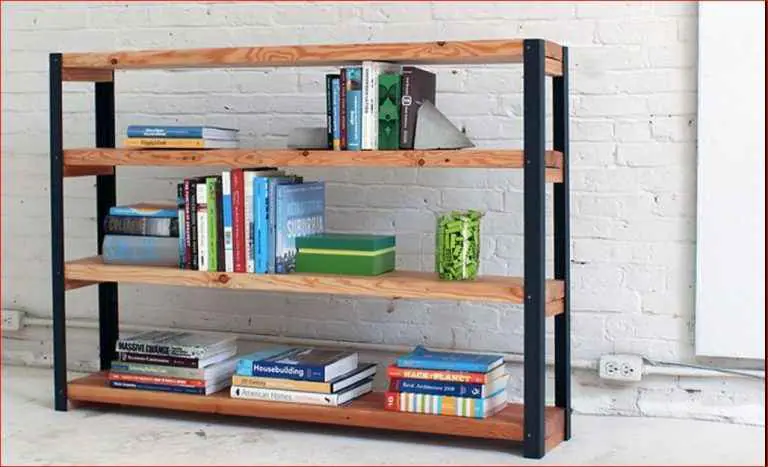
1- Iron And Wood

These free plans on detailed video will show you how to build a sleek, rustic, and modern DIY bookcase by homemade-modern using iron and wood.

The small unit has three shelves that will provide storage and display space. The easy and quick build is inexpensive but the bookcase will look like it cost a lot of money. The boards are three feet long and can be purchased already cut to size and the angle iron used to hold the shelving unit together is also pre-cut and easy to work with.

The wood can be distressed and stained or painted to give the homemade bookcase a rustic, modern appearance.

DIY bookcase
Image via: homemade-modern

2- Simple Shelf

This simple bookshelf is a classic style that is easy to build. The floor-to-ceiling height and narrow width make it an ideal DIY bookshelf  by bunnings for a small space.

This simple shelf design can be used in the main living space to hold books and photos. In the bathroom to hold linens, in the kid’s room to hold toys. This simple bookshelf idea can be used anywhere to create more storage space. The wood can be painted or stained to match any interior decor.

Follow these free detailed plans and build yourself a couple of these shelves today. See also: small woodworking projects.

DIY bookshelf
Image via: bunnings

3- Beehive Bookshelf

This DIY bookcase style by instructables is unusual and attractive. It’s an ideal piece of furniture for a small space in need of a focal point.

The cubicles of this shelf are created in a beehive pattern and can be used to hold books and much more. The unit itself is attractive and will become an instant focal point in any room.

The small size of this shelf makes it perfect to place on top of a desk or to hang on the wall. You could make several of these small units and combine them to create a DIY bookshelf wall.

Increase your storage space in a very attractive way when you build this beehive bookshelf unit.

Beehive Bookshelf
Image via: instructables

4- Customised BookCase

Learn how to build a bookcase in this YouTube video that is the perfect size for your space.

This customized bookcase can be built to any size specification so it will fit into your space like a built-in unit. The wood molding on the top and bottom of the bookshelf gives it a high-end furniture appearance and the white paint color makes it a classic that will fit into any room.

This style of bookshelf can be customized to hold a flatscreen television or to fit on either side of a fireplace. The possibilities are limitless with these free building plans that are easy to customize.

5- Modern Bookcase

If you need an attractive space for your books, check out this modern bookcase by ohohdeco. The modern style is easy to build and the shelf will become a focal point in the room.

Get those treasured books out of boxes and display them on an attractive shelf with this idea. These free plans will provide you with building instructions so you easily create this modern bookcase for your home office. See also: diy tool storage ideas.

Modern Bookcase
Image via: ohohdeco

6- Kids Book Rack

This is more than just a bookshelf, it’s an attractive piece of furniture for your kid’s room. It looks almost like a toy itself and provides loads of storage space for books and toys.

Built from wood in a sturdy design that won’t topple over if a child climbs on it. Help keep your kid’s room neat and organized by building one of the stylish DIY bookcases like this one by ana-white with these free plans.

Kids Book Rack
Image via: ana-white

7- Wall Book Shelf

This slim wall bookshelf is just under 5 inches wide yet it can hold a lot of books. The slim shelf takes up almost no floor space so it is ideal for a small room. This DIY built-in bookshelf by rogueengineer is attached to the wall there is no danger in a child turning it over onto themself and causing injury.

Follow these free bookcase plans and build one near a comfy chair so you and your child can snuggle up together and read a good book before bedtime.

Wall Book Shelf
Image via: rogueengineer

8- Large And Moveable

When you have a lot of books and need somewhere to store them temporarily, watch this YouTube video for a great design idea.

If you rent a house or apartment or are planning to move in the next few years, you don’t need to create built-in DIY bookcases like this one on youtube. You need to create something attractive, sturdy, affordable, and moveable to display your book collection. This style of the homemade bookshelf is just maybe what you need.

The DIY bookcase looks like it is a built-in unit but it can easily be taken down, moved, and put back up again. The solid wood construction will make the shelves long-lasting and easy to paint or stain to match any decor.

9- Built-In Unit

Make your fireplace the focal point in the room by creating built-in DIY bookcases like this one by thisoldhouse on each side. The bookcase will frame the fireplace and will provide plenty of attractive storage space for books, plants, and photographs.

Paint the case of the book to blend in with the wall or stain them a natural color to allow the beauty of the wood to shine through.

These free plans will show you how to build these simple and style built-in bookcase units.

DIY bookcases
Image via: thisoldhouse

10- Clear Wood And Metal Poles

A few wood boards and metal poles can be used to create a stunning DIY bookcase like this one by instructables when you follow these detailed building instructions.

Floor to ceiling bookcase design can hold a lot of books and other personal items for display. Easy and inexpensive to build, this style lets the beauty of the wood and metal be showcased. Ideal for use in a modern design house and it will provide plenty of storage space.

Clear Wood And Metal Poles
Image via: instructables

11- Spine Bookshelf

This spine bookshelf is ideal for use on small empty wall space. These bookcase plans show you how to build a bookshelf like this one by shadesofblueinteriors that takes up no floor space and very little wall space. The built-in unit has several shelves that can store books and display other items. Great for use on the empty wall space behind a bedroom door.

The spine bookshelf is super easy to build, costs very little, and will add attractive storage to any room.

Spine Bookshelf
Image via: shadesofblueinteriors

12- House Bookshelf

This cute style and small size of this DIY bookcase by lovecreatecelebrate are perfect for a small space. The built-in bookshelves are shaped like a house and have three shelves for storage. The shelf unit is attached directly to the wall so there is no danger of it turning over on a child or pet.

The style is adorable and just right for a girl’s bedroom. It would also make a perfect addition to any whimsical room decor. These DIY bookcase plans use wood for the project, so the wood can be painted or stained to match the room decor.

House Bookshelf
Image via: lovecreatecelebrate

13- Bookcase With Toy Storage

Help your kids learn how to pick up and put away their toys with his attractive DIY bookcase by learn.kregtool with built-in toy storage.

Kids have toys and it’s important to have a place to store them at the end of the day. Keep the kids’ room neat by providing them with a colorful and durable bookcase that will hold all their toys and display their books.

The size of these bookshelf plans can be customized to fit the room and the wood is easy to paint to match the colors of your kids’ room decor. Easy-to-follow plans make this an easy DIY project to complete.

Bookcase With Toy Storage
Image via: learn.kregtool

14- Corner Bookcase

You can transform an unused corner of any room into an attractive space for storage with this idea.

A corner bookshelf like this one by howtospecialist will make the most of unused space and give you space to store books and display other treasured items. These detailed plans will show you how to build this corner bookcase that is perfect for any room in your home.

Build one for your kitchen to hold cookbooks and pots of herb plants. Another one can be built for a bathroom to hold towels and plants that thrive in a humid environment. This stylish corner bookcase can be useful in any room so you may want to build several.

Corner Bookcase
Image via: howtospecialist.com

15- Adjustable Shelves

Check out these free plans that will show you how to build a DIY bookcase like this one by sawdustgirl that has adjustable shelves.

Adjust the shelves for tall books, short books, tall plants, and small photos. Re-arrange the shelf height as needed so you can change out the books and other objects being stored on the homemade shelves.

how to build a DIY bookcase
Image via: sawdustgirl

16- Classic Case

If you need a case that will hold a lot of books and look like a nice piece of furniture, check out these free building plans.

The bookcase by jayscustomcreations will hold a lot of books and the classic style will fit in with any home decor. Ideal to build for placement against a large empty wall, this bookcase will work well in the hallway, bedroom, or family room. Install some LED rope lights to light the bookcase up for added dramatic design effect.

The large flat top surface is ideal for displaying potted house plants or sculptures. Watch this detailed video for the building plans.

bookcase
Image via: jayscustomcreations

17- Steel Bookcase

This stylish steel bookcase is ideal for use with industrial home decor. The castors on the bottom make the DIY bookcase like this one by saltbushavenue easy to move around as needed.

If you can weld, then you can build this large, stylish bookcase with these free plans.

Steel Bookcase
Image via: saltbushavenue

12 Homemade Bug Spray Recipes You Can Make Using Natural Ingredients

When you make homemade bug spray you will know the exact ingredients that go into the product. There will be no fear of harmful chemicals that may cause illness to your children or pets, or cause damage to plants and/or furniture.

The recipes for these homemade bug sprays contain natural ingredients, like essential oils and beeswax, that will repel bugs naturally while leaving a refreshing scent in the air. If you are looking for a natural way to rid your home, landscape, and garden of harmful pests like mosquitoes, ants, and flying insects, check out these homemade bug repellent recipes.

1- Essential Oil Homemade Bug Spray

The fragrance of the essential oils in this DIY bug spray by abetterwaytothrive is effective at repelling pests and fill the air with a pleasing aroma.  This pest repellent is not a spray but a natural bug repellent in a solid form and has the texture of lip balm. Beeswax, cocoa butter, coconut oil and castor oil are natural ingredients that solidify and help to create this DIY pest repellent that is easy to take along with you.

  •  40 drops of Lemon Eucalyptus oil is an ingredient which is often used in store-bought pest repellent because it contains a chemical called p-menthane-3,8-diol
  • 10 drops each of Citronella, Lemon Grass, and Lavender oils, all of which are commonly used in pest-repellents and be can grown in a home garden
  •  5 drops of Peppermint oil that contains menthol which bugs hate the smell of
  •  5 drops of Geranium oil is a natural pest-repelling flower that if often planted in home gardens to keep plants pest-free
  •  1/4 cup of beeswax, coconut oil, and castor oil
  •  2 tablespoons of castor oil

Place all ingredients except essential oils in a large bowl and microwave until all are melted. Allow mixture to cool then stir in essential oils. Pour into small containers and allow to solidify. You may also like to check out Homemade ant killers.

Essential Oil Homemade Bug Spray
Homemade Bug Spray Image Via: abetterwaytothrive.com

2- Witch Hazel Homemade Bug Spray

Witch hazel is a plant that has long been used for medicinal purposes and is gentle on skin. Bugs hate the scent, and when it’s mixed with vanilla extract you’ll create homemade insect repellant like this one by livesimply that’s powerful, yet safe for kids to use.

  •  1/4 cup witch hazel
  •  1 teaspoon vanilla extract
  •  1/4 cup distilled water
  •  1 tablespoon olive oil
  •  85 drops Plant Therapy’s Shield Me Essential Oil

Pour all ingredients into a spray bottle and shake well. Spray on skin and surrounding areas. Shake before each use.

Witch Hazel Homemade Bug Spray
Image via: livesimply

3- Bug Spray Repellent Balm

Herbs do more than flavor food, they also repel bugs naturally and safely. This natural bug repellent by gardenista will show you how to get rid of bugs without chemicals by using herbs and flowers.

  •  1 cup dried calendula flowers to prevent skin irritation
  •  1 cup fresh rosemary to repel bugs
  •  1 cup dried catnip to repel mosquitoes
  •  1 cup olive oil
  •  1 cup coconut oil
  •  1/4 cup beeswax.
  •  10 drops each of lavender and lemon essential oils

Place the rosemary, calendula, and catnip in the top bowl of a double boiler and cover with olive and coconut oil to completely submerge the herbs. Simmer 30 minutes.

Strain through cheesecloth, pour strained oils back into double boiler and add beeswax. When beeswax is melted add essential oils. Pour mixture into small containers. Apply to skin when going outdoors.

Bug repelling balms are easy to carry with you in a pocket or backpack and they provide long-lasting protection after being applied to skin.

Homemade Bug Spray Repellent Balm
Image via: gardenista

4- Fresh Mint and Herb Bug Spray

Mint and herb plants are easy to grow in a home garden and perfect for making homemade bug spray like this one by dontwastethecrumbs. This recipe uses fresh ingredients right from the garden to keep bugs away

  •  2 tablespoons of fresh mint that has been finely chopped. Use spearmint or peppermint leaves
  •  6 tablespoons finely chopped herbs. Use catnip, citronella, cloves, rosemary and/or lavender
  •  1 cup distilled water
  •  1 cup witch hazel or rubbing alcohol

Bring water to boil, then add fresh mint and herbs. Remove mixture from heat and allow to cool. Add witch hazel or rubbing alcohol. Pour into spray bottle and spray on skin and surrounding areas when you go outdoors. You may also like to check out homemade pesticides to keep garden pests at bay.

Fresh Mint and Herb Bug Spray
Image via: dontwastethecrumbs

5- Vinegar Homemade Bug Spray

This is an ancient recipe that is used for many things, including as a homemade bug spray like this one by nourishedkitchen. The fragrant vinegar keeps pests away, and is also good for cleaning and disinfecting hands and surfaces.

  •  2 tablespoons each of rosemary, mint, sage, marjoram, lavender flowers, and anise hyssop – finely chopped
  •  4 cloves crushed garlic
  •  4 cups white wine vinegar

Place all ingredients in a glass jar, seal and allow to marinate for 10 days. Strain mixture and pour into spray bottle. Spray on skin when going outdoors. Keep away from eyes.

Vinegar and distilled water, mixed at a 50-50 ratio, creates an effective homemade bed bug spray. Add a few drops of lavender oil for a soothing scent.

Vinegar Homemade Bug Spray
Image via: nourishedkitchen

6- Tea Tree Oil DIY Bug Spray

This is an ideal organic bug spray by blog.daveasprey for people who spend a lot of time outdoors. The tea tree oil in this homemade bug spray kills ticks on contact and it’s gentle on skin.

  •  10 drops each of tea tree oil, citronella oil, and lemon eucalyptus oil
  •  5 drops each of lavender and geranium oil
  •  1/2 teaspoon light cooking oil
  •  1/4 cup each of distilled water and witch hazel

Combine all ingredients in a dark glass spray bottle and give it a good shake before each use.

Tea Tree Oil DIY Bug Spray
Image via: blog.daveasprey

7- Homemade Tick and Bug Spray

This natural bug spray by wholefully works to kill and repel a wide variety of outdoor pests, including disease-causing ticks. Keep mixture in a dark glass spray bottle to prevent sunlight from breaking down the oils.

  •  80 drops each of rose geranium oil, thyme oil, lavender oil, and citronella oil
  •  40 drops each of peppermint oil, eucalyptus oil, and cedar oil
  •  20 drops each of clove oil and basil oil
  •  4 ounces witch hazel
  •  Distilled water

Combine all ingredients, except distilled water, in a spray bottle. Finish filling bottle up with distilled water. Shake well before each use. Spray on skin, clothing and surrounding areas when outdoors.

Homemade Tick and Bug Spray
Image via: wholefully

8- Aloe Vera Bug Spray

We know the soothing and healing benefits aloe vera provides to our skin, and this natural ingredient also works well as an ingredient in homemade bug spray like this one by momtastic.

  •  Fill a small spray bottle two-thirds full of distilled water (boiled and cooled tap water can be used)
  •  2 tablespoons of witch hazel to the water
  •  1 teaspoon of liquid aloe vera
  •  1 teaspoon citronella oil
  •  1/2 teaspoon each of grapefruit oil and lemon oil (tea tree and eucalyptus can be used instead of grapefruit and lemon oil)

Shake well to combine all ingredients. Shake before each use. Safe for use on children.

Aloe Vera Homemade Bug Spray
Image via: momtastic

9- Homemade Bug Spray for Kids

Kids enjoy spending a lot of time outdoors in the warm weather when bugs are most active, making them a prime target for biting and stinging bugs. Keep your kids safe from bug bites and chemicals with this effective homemade bug spray by steampoweredfamily.

  •  15 drops each of lavender oil, citronella oil, lemongrass oil, and patchouli oil
  •  3 drops Argan oil
  •  1 teaspoon vitamin E oil
  •  1/4 cup witch hazel
  •  1/4 cup distilled water

Combine all the oils in a bowl and mix thoroughly. Add distilled water and witch hazel and stir until combined. Pour into spray bottle and spray all over kids (including hair and clothing) before they go outdoors. Shake before each use.

When using a new skin product, especially on kids, it’s best to test on a small area of skin to determine if there will be an allergic reaction before applying it all over skin. You may also like to check out homemade mouse poison.

Homemade Bug Spray for Kids
Image via: steampoweredfamily

10- Smell Good Homemade Bug Spray

In addition to keeping bugs away, this homemade bug spray by theseamanmom will make you smell good so you can apply it for any outdoor function without having an embarrassing chemical odor.

  •  20 drops each of lemon oil and peppermint oil
  •  1 teaspoon of organic castile soap
  •  4 ounces distilled water (boil tap water and allow to cool instead of using distilled water)
  •  witch hazel

Place all ingredients, except witch hazel, in a spray bottle and shake to combine. Top of with witch hazel and shake bottle again. Spray a light mist all over hair, skin, and clothing ( avoid eyes) before going outdoors.

Smell Good Homemade Bug Spray
Image via: theseamanmom

11- All Purpose Homemade Bug Spray

There are many pests to avoid when enjoying the great outdoors and this all-purpose homemade bug spray by almanac will help keep all pests away.

Mosquitoes hate citronella, lemon eucalyptus, cinnamon, geranium, and catnip. Ticks and lice hate eucalyptus and geranium. Ants and flies hate mint and basil, and annoying gnats hate citronella, lemongrass, and rose geranium.

  •  2 cups witch hazel
  •  20 drops each of the essentials oils that repel the pests that are living in your area.

Combine ingredients in a spray bottle, shake well and spray all over hair, clothing, skin and outdoor area.

Fresh or dried herbs can be substituted for essential oils.

All Purpose Homemade Bug Spray
Image via: almanac

12- Lavender Oil Homemade Bug Spray

Lavender oil is an effective pest repellent and can be applied to skin undiluted. It’s safe to apply to children, elderly and expectant mothers. The lavender scent is calming and soothing to humans, but pests turn and go in the opposite direction when they smell it.

Lavender oil can be used as-is or mixed with other lotion before applying to skin as a DIY bug repellent like this one by livestrong.

Before applying any substance to skin it’s always best to consult your physician to ensure the safety of the product or potential drug interactions.

DEET is the main chemical ingredient used in store-bought bug sprays. DEET is effective in killing a wide range of pests, however, there are harmful side effects to humans. Humans may experience memory loss, headache, weakness, fatigue, muscle and joint pain, tremors and shortness of breath.

Children are more susceptible to subtle brain changes caused by chemicals in their environment because their skin more readily absorbs them. Also, their still-developing nervous systems are more potently affected. Symptoms from DEET or other chemicals may not be evident for months or even years after exposure. You may also like to check out homemade mouse traps.

Lavender Oil Homemade Bug Spray
Image via: livestrong

10 Easy Tips for Growing Blueberries in Containers or Pots

Blueberries  is consider to be the healthiest fruit because it consists of larger quantity of antioxidants than the other fruits, fibers and extremely low calories and conjointly lowers the probabilities of diseases connected with heart and will increase memory power. They’re a decent medium of getting vitamins and conjointly strengthen the blood vessels. Blueberries aren’t solely in style, however conjointly repeatedly hierarchical within the U.S. diet as having one among-st the best inhibitor capacities among all fruits, vegetables, spices and seasonings. Antioxidants are essential to optimizing health by serving to combat the free radicals that may harm cellular structures moreover as deoxyribonucleic acid. We tend to advocate enjoying raw blueberries — instead of relying upon blueberries incorporated into baked desserts as a result of different fruits, raw blueberries offer you with the most effective flavor and therefore the greatest nutritional advantages.

Related: vegetables that grow well in pots, growing egg plants in containers ,tips for growing strawberries in pots and growing lettuce in containers.

1)      How to plant blueberries is the first and basic question. If planting a row of blueberries takes into account “hilling” the plants; raise them on top of the natural soil level by 12”-18” high and 3′ wide. This improves drain, and provides a row for perpetually adding organic matter.

planting blueberry

2)      Planting multiple varieties with completely different maturity dates additionally stretches out the harvest season. In this way you can get fresh blueberries in every two months.

3)      It is important to know that how to plant blueberry bushes. Before growing bushes you need to know about its kind and variety. Planting blueberry bushes will be easy if you have good knowledge about seeds and variety of blueberry. There are 3 kinds of blueberries: high bush, low bush and hybrid half-high. The usually planted blueberry is that the high bush. Most blueberry breeding has centered on this species. You can have variety of blueberries which depends upon the season. On high bush varieties, begin with massive cuts, removing wood that’s over six years recent, drooping to the bottom, or situation the middle of the bush. Conjointly take away low-growing branches whose fruit can bit the bottom. For low bush blueberries cut all the stems to ground level. Blueberries can solely grow well in soils that meet their needs.

4)      Soil should drain well. If water stands within the location you’re planting for two days, don’t plant a blueberry. In acidic soils is best suited for growing blueberries in pots. Incorporating made organic matter into the soil or as a prime dress is good. All these steps helpful to resolve the question that how do you grow blueberries and also prevent other plants from the effect of acidic soil.

5)      The key for success in growing blueberry bushes is the selection of proper climate and to provide good company to blueberries bushes. It produces additional and larger fruit once planted with minimum cross-pollination.

6)      Plating blueberries in container and ground are different. Precautions and process are different in container and ground. Even in container we grow high density planting. Here some tips which are valuable for how to grow blueberries.

7)       Blueberries needed supply of water three to five centimeter per week. Use fertilizers at least one time in a month. For well development of blueberries plants its needed proper rainfall and pruning. Pruning blueberries plants promotes new growth and production. Blueberries will be ready for eating or transporting in July and August months. The plants of blueberries produce its highest production in six to seven year after planting.

8)      For Blueberries December and January is a best and ideal months for planting. In generally it has PH of 4.5 to 5.5.  It is important to know that when to plant Blueberries because some points affect it  such as  water (plants of blueberries regularly needed water or regular Rainfall), sun (plants of blueberries need sun rays that’s why it generally found in the wild forest and mountain), some quantity of Fertilizers (apply fertilizers 15 day to one month after plating), soil (they like water but they don’t like soggy place and they required high organic acidic, they will not grow properly if planted in wrong soil), some Mulch, and Pruning etc.

9)      It is not a busy task you only ought to keep few things in your mind whereas planting berries in a pot. Use a big size pot to grow the blueberries seeds and it requires little care.

10)   If you want to grow them using seeds then it requires more time. For growing blueberries from seeds you must have patience. The quality of seeds must be good otherwise it will not grow in a container, it the container will be big then it can get more acidic environment and space to grow.


10 Colorful And Rich Nectar Flowers That Attract Butterflies To The Garden

Nothing is better wandering through a lavish and colorful garden drifting with fascinating fragrance. The days get completed if you get to watch the beautiful butterflies fluttering from one flower to another. However, you must not be having an idea what flowers attract butterflies easily. The excerpt guides you about how to attract butterflies to your garden?

Listed are the 10 colorful and rich nectar flowers and plants that attract butterflies and keep your garden attractive.

1: Butterfly Bush:

If you want to know what plants attract butterflies, have a look at this one. Butterfly bush, also known as, ‘Buddleia davidii’Bud is one of the best plants to attract butterflies. It belongs to the family of the shrubs, which tend to grow faster during summers. Therefore, if you want to keep it short, you must cut it out during the early spring. This shrub produces wonderful, nectar rich pointed flowers in beautiful shades of pinks, purple, white and yellow. The butterflies would be around them all the time. Popular flowers from this plant that allure butterflies include:

  • Buddleja globosa – these are a strange type of lovely orange flowers
  • Rotheca myricoides – these are somewhat leaf shaped flowers with gorgeous light purple color.

Butterfly Bush

2: Butterfly weed – Asclepias tuberosa

This plant leads you to acquire some of the best perennial flowers that do not ask for much attention. In addition, it is pest free, so butterflies would certainly revolve around the rich, nectar flowers it would produce. Make sure the plant gets the desired soil, water and full sunlight so that it can grow faster. It is a perfect feed for monarch larvae and for big butterfly.

Butterfly weed - Asclepias tuberosa

3: Joe-Pye Weed – Eupatorium purpureum maculatum

This is certainly among the best butterfly garden plants.  It grows quickly and the height may be bothersome for you, so make sure you cut it at the right time. The oversized, nectar rich pink flowers from this plant is adored by the butterflies. They also produce a good number of seeds, which can help in re-producing the same plant.

Joe-Pye Weed - Eupatorium purpureum maculatum

4: Asters

These are elegant and small fragrant flowers, which are available in an amazing assortment of colors. Due to vibrant hues and wonderful smell, butterflies love them. If you want to observe butterflies in your gardens, plant these in your garden and see the magic.

Within Asters, there are many varieties; some of the best ones include:

Wild Romance- it has a hot, intense red hue, and features beautiful large petals. They are grown during the end of the summers, and by fall, they are in full bloom. This is a wonderful addition to any garden.

Asters flowers

5: White Dragon flower:

With a very different name, this Virginian flower belongs to a perennial flower category. It is beautiful looking and has a narrow foliage. The flowers have white cream color, which makes them look lovely. Monarch butterflies seem to love these particular flowers – you can easily spot the wonderful orange and black wings of the butterflies on these gorgeous white flowers. Not only butterflies, but also many other lovely creatures would be the guest of your garden if you have this planted in your garden area.

White Dragon flower

6: Black Knight:

You must have heard about this plant as it produces well-managed, large and beautiful color flowers. One strange type bush is known as Black Knight – it has gorgeous deep purple attractive flowers, which are of great attraction of butterflies.

Black Knight

7: Red Penstemon:

Due to its rich and tasty nectar, these flowers are butterflies best friends. These flowers are radiant, so they keep the beauty of the garden at best.

Red Penstemon

8: Keys of Heaven:

Keys of Heaven, as the name suggests, these flowers are beyond beautiful. Butterflies adore the gorgeous deep red oversized blooms. In addition, the sweet scent makes them lovable.  They can be planted in the pots too.

Keys of Heaven

9: Day-Lily:

With a shiny gold color and grass-like folded petals, these are a perfect delight for the butterflies – not only this; they enhance the beauty of the garden too. They are easy to grow and have a longer life.

Day-Lily

10: Violets:

Extremely color enriched, eye-catching and fragrant, these flowers are the first attraction in any place. How can butterflies resist them, they are absolutely loved by the tiny beings. Violets have a deep purple color with smaller petals. They are simply easy to grow and has a longer life.

 Violets flower

Is about simple living,growing your own food,raising livestock,Do It By Yourself,off grid living,gardening,homemade products